

What Are the Benefits of Having a Financial Plan?
A financial plan turns vague financial anxiety into a clear picture of where you stand and what to do next. It gives you concrete goals, a framework for decisions, a way to measure progress, and, for most people, real relief from the low-grade stress that comes with not knowing where you stand. Here’s what a plan actually does for you, benefit by benefit.
It gives you clear goals to work toward
A plan forces you to translate “I want to be better with money” into specific, personal goals: pay off a specific debt, hit a specific savings number, get retirement contributions to a specific percentage of income. Vague intentions rarely turn into action; specific goals do.
A few things make financial goals more likely to stick:
- Personalize them. Generic advice (“save 20% of your income”) is a starting point, not a mandate, your goals should reflect your actual life and priorities.
- Base them on your real numbers. Understand what you actually need before committing to a target, rather than borrowing someone else’s rule of thumb wholesale.
- Revisit them regularly. Checking in on a goal, monthly at minimum, keeps it in view instead of letting it fade into the background.
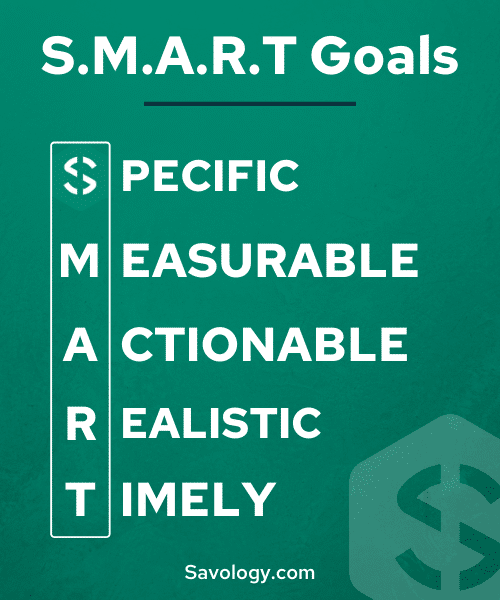
- Make them specific and measurable. A goal you can’t measure is a goal you can’t tell you’ve hit. Attach a number and a timeframe.
- Connect them to your reasons. A goal tied to something you actually care about (a home, security for your kids, an earlier retirement) is far easier to stay motivated about than an abstract dollar figure.
It gives you a framework for decisions
Money decisions are hard partly because there’s rarely a “textbook right answer,” and partly because personal finance carries more stress and shame than people like to admit. Add in unfamiliar terminology and decisions that carry real long-term consequences, and it’s easy to see why so many people put off decisions rather than make them.
A plan cuts through that by giving you a clear next step instead of an open-ended list of options. When you already know that the priority right now is paying down a specific debt, or building a specific savings cushion, you don’t have to relitigate the whole picture every time a decision comes up. You just check it against the plan.
It reduces financial stress
People with a financial plan they can point to tend to report lower stress about money and more optimism about their financial future than people navigating without one. Part of that is simply knowing where you stand. Uncertainty is often more stressful than the actual numbers, once you can see them clearly.
Having something to refer back to also makes it easier to weather a setback without spiraling, because a single bad month reads as a deviation from a plan rather than evidence that nothing is working. And because financial stress tends to bleed into other parts of life (sleep, relationships, focus at work) improving your handle on money often has benefits well beyond your bank balance.
It gives you a way to measure progress
A plan sets a baseline and specific milestones, which means you always know whether you’re on track or need to adjust. Without that baseline, it’s hard to tell the difference between “things are fine” and “things are quietly slipping.”
A few examples of the kind of concrete standards a plan can set:
- Raising your savings rate to a target percentage of income to stay on track for retirement
- Paying down a specific amount of high-interest debt to improve your debt-to-income ratio
- Adding a specific amount of life insurance coverage to adequately protect your dependents
Measuring against a plan, rather than a vague sense of how you’re doing, is what lets you catch a problem early and correct course before it becomes a bigger one.
It tends to improve financial outcomes over time
People who work from a written plan tend to be more prepared for both emergencies and retirement, largely because a plan forces you to weigh today’s spending against tomorrow’s needs instead of defaulting to whichever one feels more urgent in the moment. That balance, attention to both the present and the future, is hard to hold in your head without something written down to check against.
Where to start
If you’re not sure how to begin, you generally have three paths, and none of them are mutually exclusive:
- Learn the fundamentals yourself. There’s a wide range of solid, well-reviewed personal finance books and free resources covering the basics of budgeting, saving, and investing, enough to build a working plan on your own if you’re willing to put in the time.
- Use a free digital planning tool. Tools that pull your income, debt, savings, and insurance together can generate a personalized plan in minutes, which is a low-cost way to get a clear starting picture before deciding what more you need.
- Work with a financial planner. For more complex situations, a credentialed financial planner can build a more detailed plan and walk through decisions with you directly, look for recognized credentials like the Certified Financial Planner® designation to make sure you’re working with someone held to professional standards.
The bottom line
However you get there, the specific method matters less than actually getting started. A plan doesn’t need to be perfect on day one, it needs to exist, so you have something concrete to refine as your situation changes. Once you have that starting point, the momentum of tracking real progress tends to carry you forward on its own.