

8 Financial Habits That Set You Up for Success
Good financial habits come down to a few consistent behaviors: reviewing your plan regularly, setting clear goals, budgeting on purpose, and building a cushion for the unexpected. None of them require a specific income level or a finance degree, they just require repetition.
There’s no bad time to start building healthier money habits, whether you’re trying to get out of debt or work toward long-term financial freedom. Here are eight habits worth adopting, in no particular order of importance, they work best together.
Habit #1: Regularly review and update your financial plan
Creating a financial plan is a great first step, but it isn’t a one-time task. Your plan is a snapshot of where you stand and where you’re headed, and both of those things change as your life does.
To get the most out of it, check in on your plan at least once a month, and update the underlying details every three to six months. Life events (a new home, a marriage, a new job, a new baby) are natural triggers to revisit your plan sooner rather than later.
Habit #2: Set financial goals that actually mean something to you
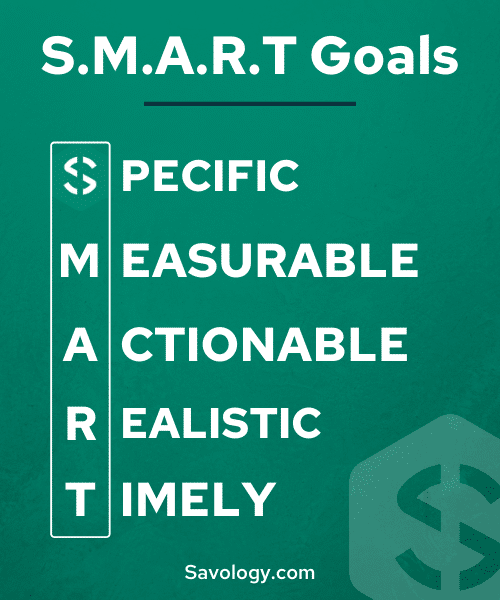
Setting goals is arguably the most important habit on this list, because without goals, there’s nothing to measure progress against. The most effective goals follow the SMART framework: specific, measurable, achievable, relevant, and time-bound.
A few examples of SMART financial goals:
- Pay off $25,000 of debt in 7 months
- Increase net worth by $30,000 this year
- Save $10,000 toward a down payment in 12 months
Compare those to vague goals like “pay off debt soon” or “save more money”, the specific versions are far easier to track and far more motivating, because you know exactly what winning looks like. Set both short-term and long-term goals so you stay motivated on the day-to-day while still keeping an eye on the bigger picture.
Habit #3: Build a budget and actually use it
A budget matters because you should always know how much money is coming in and going out each month. Without that visibility, it’s easy to spend more than you earn without realizing it, a pattern that leads to debt and a lower credit score over time.
When you build your budget, account for your income, your “needs” (housing, groceries, essentials), and your “wants” (eating out, travel, shopping). There’s no single right way to structure a budget. The best one is whichever framework you’ll actually stick with. If you’re not sure where to start, aim to save some meaningful percentage of your income each month, even if it’s modest at first, and build from there.
Habit #4: Find ways to earn passive income
If you want to build wealth or pay off debt faster, look for ways to bring in money beyond your primary paycheck. Passive income is money earned with minimal ongoing effort: think rental income, dividends, or a small side business.
The setup usually requires an upfront investment of time or money, after which the income requires less active maintenance. You don’t need a large amount of capital to start: renting out a spare room, or turning an existing skill into a small side income, can add up meaningfully over a year. Even a modest passive income stream (say, an extra $50 a month) adds up to hundreds of dollars a year you can put directly toward debt or savings.
Habit #5: Build an emergency fund
A large share of Americans wouldn’t be able to cover an unexpected $1,000 expense without going into debt. An emergency fund exists to make sure you’re not one of them, it’s a dedicated cushion so a broken appliance or unplanned expense doesn’t force you to dip into money set aside for something else.
Without one, an unexpected cost often gets put on a credit card, which compounds the problem with interest. Most experts recommend building toward three to six months of living expenses, especially if you rely on a single income or are still working through other debt. If you haven’t started, begin with whatever amount you can, even a small, consistent contribution from each paycheck builds real momentum over time.
Habit #6: Pay off credit cards in full each month
It’s a myth that carrying a balance on your credit card helps your credit score, it doesn’t. Payment history is the most heavily weighted factor in your credit score, and credit utilization (how much of your available credit you’re using) is close behind. The lower your utilization, the better.
If paying your card in full isn’t possible some months, aim to keep your balance under 30% of your credit limit. Carrying a balance month to month also means paying interest on interest, which can snowball quickly and put your credit score, and your ability to qualify for future loans, at risk.
Habit #7: Cook more, and cut back on takeout
Small, recurring purchases (a coffee on the way to work, lunch out most days) add up far more than they seem to in the moment. Tracking those purchases for even a month is often enough to reveal a meaningful amount you could be redirecting toward savings or debt instead.
Meal prepping isn’t for everyone, and it doesn’t have to be all-or-nothing. Cutting eating out down to once or twice a week, rather than daily, is a realistic middle ground that still adds up to real savings over a year.
Habit #8: Talk openly about money with people you trust
Open, honest conversations about money (with a partner, friends, or family) are one of the most underrated financial habits. They help you learn new approaches, pick up practical tips, and stay motivated, while also making it easier to work through any fear or avoidance you might have around money.
The more comfortable you get talking about money with people you trust, the more confident you’ll feel in the progress you’re making toward your own goals.
Reinforcing the habits that stick
Some of these habits are easy to start, packing lunch a couple of days a week costs nothing. Others take more effort, like building a new income stream. Either way, every habit you build moves you closer to your goals. What matters most is starting, and then showing up consistently enough that the habit becomes automatic.