

What Is a Credit Score and How Is It Calculated?
A credit score is a points-based number, generated by the major credit bureaus, that estimates the financial risk you pose to a potential lender — the higher the score, the lower the perceived risk. It’s built from your financial history, primarily how reliably you’ve made payments over time, and it affects far more than just whether you get approved for a loan.
Credit scores were originally used only by banks making lending decisions. That’s no longer the case — insurance companies, utility providers, landlords, and even some employers now use credit information to evaluate risk in their own decisions, because how someone handles financial obligations tends to correlate with how they handle other kinds of responsibility.
How is a credit score actually calculated?
There are three major credit bureaus in the United States — Equifax, Experian, and TransUnion — and each generally uses a similar scoring model to calculate your score. The most common model is the FICO score, and while the exact formula is proprietary, the major factors that go into it are well known.
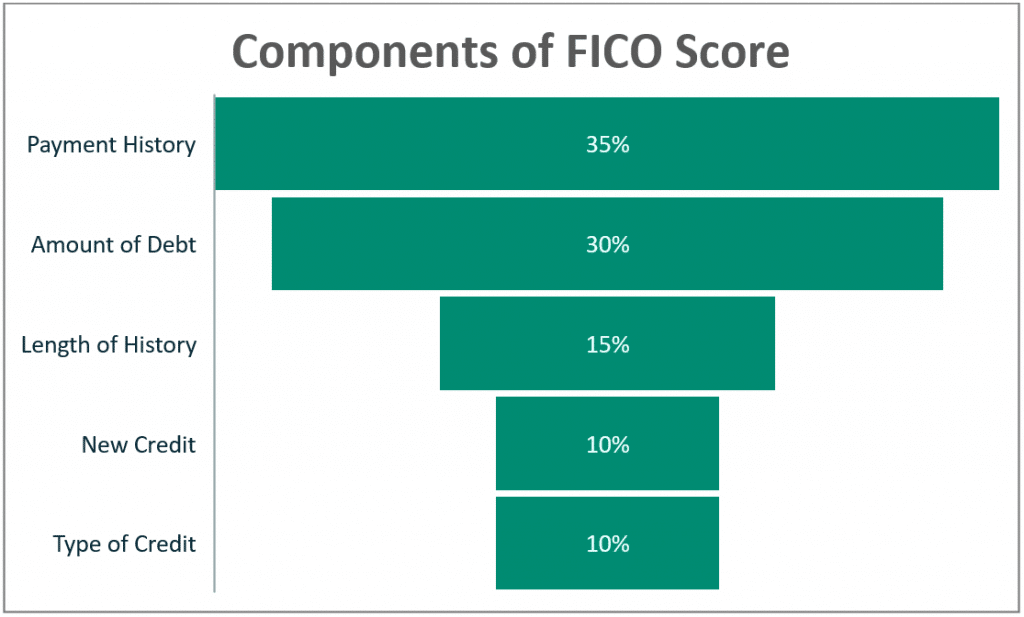
Payment history is the single largest factor. Making your mortgage, auto loan, and credit card payments on time, every time, is the most important thing you can do to build and maintain a good score. Missed payments, charge-offs, or bankruptcy can damage your score significantly and take a long time to recover from.
Beyond payment history, a few other factors matter:
- How much debt you’re carrying relative to your available credit — using a large share of your available credit limits tends to lower your score.
- How many recent credit inquiries you have — applying for several new lines of credit in a short window can ding your score.
- The length of your credit history — accounts that have been open and well-managed for a long time generally help your score.
One useful thing to keep in mind: it’s much easier to damage your credit score than it is to rebuild it. A single missed payment can undo months of careful, on-time payments, so consistency matters more than any single strong month.
What counts as a good credit score?
Credit scores typically range from 300 to 850. There’s no single universal cutoff for “good,” since each lender sets its own risk tolerance, but a general rule of thumb looks something like this:
- 620 and below — Poor: Getting approved for credit will likely be difficult.
- 620–680 — Fair: You can generally borrow, but probably won’t get the best interest rates available.
- 680–770 — Good: Lenders will typically see you as someone who manages credit responsibly.
- 770 and above — Prime: You’re likely to qualify for the best rates and terms available.
These ranges are a general guide, not a guarantee of how any specific lender will evaluate you — actual lending decisions vary by institution and by the type of credit you’re applying for.
What can you do if your score is low?
Every situation is different, but a few steps consistently help:
- Build a realistic budget first. Struggling to manage your finances is often a planning problem before it’s a discipline problem. A clear budget gives you a foundation to work from.
- Prioritize on-time payments above everything else. This is the biggest lever you have, by a wide margin. If you’re struggling to make a payment, reach out to your creditor directly — many lenders are willing to work with you if you’re upfront about your situation.
- Step back from credit cards if you’re losing control of spending. You don’t need to close the accounts (closing accounts can actually hurt your score by shortening your credit history and available credit), but making the cards less accessible in the moment can help you stop the bleeding.
- Watch out for anything promising a fast fix. Rebuilding a credit score takes sustained, demonstrated financial responsibility over time — there’s no legitimate shortcut, and offers that claim otherwise are worth being skeptical of.
Improving a damaged score won’t happen overnight, but consistent effort compounds. Small, steady improvements in payment behavior tend to show up in your score within months, not years.
How to maintain your score going forward
Once your score is in good shape, protecting it mostly comes down to two habits: keep making payments on time, and check your credit report periodically for errors or signs of fraud. You’re entitled to free access to your credit report on a regular basis, and reviewing it lets you catch mistakes — or identity theft — before they cause real damage.
Because so many organizations rely on credit information to make decisions about you, treating your credit report as something worth monitoring regularly, rather than something you only think about when applying for a loan, is one of the simplest ways to protect your broader financial standing.
Why your credit score is worth tracking as part of your bigger picture
It’s easy to think about your credit score in isolation — a number you check right before applying for a car loan or a mortgage. But because it factors into so many everyday decisions, from insurance premiums to apartment applications, it’s worth treating as an ongoing part of your overall financial health rather than something you only check occasionally.
A strong credit score doesn’t just save you money on interest — it gives you more flexibility and negotiating power across a wide range of financial decisions. A weak one can quietly cost you money in places you might not expect, like higher insurance premiums or a larger required security deposit. Keeping tabs on where your score stands, alongside the rest of your financial picture, makes it much easier to catch problems early and to see the return on the responsible habits you’re already building.