

30 Personal Finance Tips to Improve Your Financial Literacy
You improve your financial literacy the same way you improve any other skill: through small, repeatable habits, not a single big fix. The 30 tips below cover the core areas that matter most (planning, saving, debt, insurance, and estate basics) and each one is something you can act on this week, not just read about.
Financial literacy isn’t a once-a-year project. Treat it as an ongoing habit, and revisit these areas regularly rather than only when something goes wrong.
Build your foundation
- Make your finances a priority. Improving your relationship with money starts with deciding it matters enough to spend regular time on.
- Start with the fundamentals. Build a basic plan, track your expenses, list your debts, and get familiar with the types of insurance you might need before worrying about anything more advanced.
- Build a written financial plan. A plan looks at your whole financial picture (savings, debt, insurance, and goals) not just your monthly spending. Without one, it’s much harder to know if you’re making progress.
- Budget consistently. A budget is one piece of your larger financial plan. It helps you understand exactly what’s coming in and going out each month.
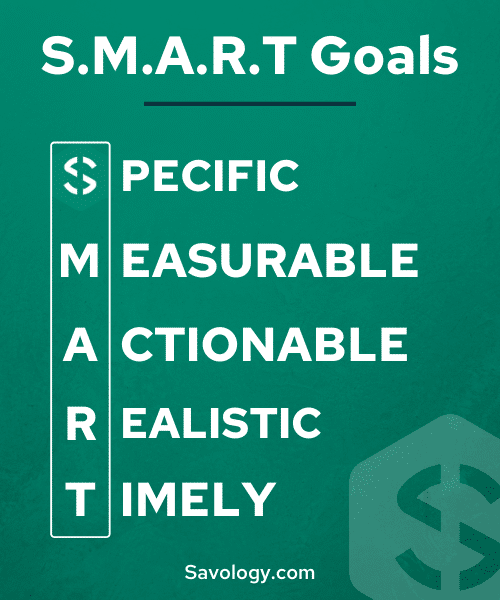
- Set specific financial goals. Vague goals (“save more”) are hard to act on. SMART goals (specific, measurable, achievable, relevant, and time-bound) give you a target you can actually track.
Save and invest with intention
- Live within your means. Spending less than you earn is the single most reliable way to avoid debt and stay on track for the retirement age you want.
- Invest early, even in small amounts. Time in the market matters more than the amount you start with. You don’t need thousands of dollars or a certain age to begin.
- Automate your contributions. Automatic transfers to retirement and savings accounts remove the temptation to skip a month and keep compounding working in the background.
- Pay attention to fees. Account fees, fund expense ratios, and advisory fees add up over decades. Review what you’re paying at least once a year.
- Focus on the long term. Short-term market swings matter far less than your behavior over years and decades, panic-selling during a dip does more damage than the dip itself.
- Use the 72-hour rule. Before a non-essential purchase, wait 72 hours. Often the urge to buy fades, and if it doesn’t, you can decide deliberately instead of impulsively.
- Find an accountability partner. A spouse, friend, or family member who knows your goals can help you stay consistent, especially when motivation dips.
- Focus on what you can control. You can’t control the market or the economy, but you can control your savings rate, your spending, the fees you pay, and your insurance coverage.
- Look for ways to increase your earnings. Cutting expenses has a limit; growing your income (through a raise, a side project, or a new role) often has more room to move the needle.
- Build an emergency fund. Aim for a few months of essential expenses set aside for things like job loss, medical bills, or a major repair. Most guidance lands somewhere around three to six months of take-home income, adjusted to your own risk and job stability.
Manage debt and credit deliberately
- Pay more than the minimum. High-interest debt, like credit cards, compounds against you the same way investing compounds for you. Extra payments now save real money later.
- Pay off credit cards in full each month when you can. Carrying a balance “to build credit” is a common myth. It isn’t necessary and it costs you in interest.
- Always pay yourself first. Direct money to savings and retirement before it has a chance to get spent elsewhere. Even 5% is a reasonable place to start if that’s what you can manage right now.
- Don’t compare your finances to anyone else’s. Trying to match someone else’s lifestyle is one of the more common paths into high-interest debt. Spend in line with what you actually value instead.
- Increase your savings rate as your income grows. When you get a raise, let your savings grow with it before your spending does.
Protect what you’ve built
- Shop around for insurance. Don’t take the first quote you’re offered, compare a few providers to find the coverage and price that fits your actual situation.
- Understand your life insurance options. For most people, term life insurance (which pays out if you die during a set period, often 20 years) is simpler, cheaper, and easier to understand than permanent policies.
- Take advantage of employer matches. If your employer matches 401(k) or HSA contributions, contribute at least enough to capture the full match. It’s money you’d otherwise leave on the table.
- Nominate a guardian if you have children. This is one of the most overlooked estate planning steps for parents, and one of the most important.
- Start your estate plan now, not later. A basic estate plan protects your preferences and your family, and it’s easier to put in place before you feel like you “need” it.
Build habits that compound
- Track your net worth. Assets minus liabilities, tracked every few months, gives you a clear read on whether your overall direction is up or down.
- Use value-based spending. Before a purchase, ask whether it genuinely adds value to your life or moves you toward a goal. This cuts down on impulse spending more effectively than restriction alone.
- Try a zero-based budget. Give every dollar a job (spending, saving, or debt payoff) so nothing quietly disappears into unplanned purchases.
- Take care of your health. Staying active and managing stress reduces long-term medical costs, and costly habits like excessive drinking or smoking are a drain on your budget too.
- Revisit your plan regularly. Review your financial plan every few months, or whenever a major life event happens: a new job, a move, a new family member. A plan you never update stops reflecting your real life.
Put these tips into practice
Financial literacy isn’t a one-time project, it’s an ongoing habit of paying attention and adjusting as your life changes. You don’t need to tackle all 30 tips at once. Pick two or three that address your weakest areas right now, build those into habits, and layer in more over time.
If you want a quick way to see which areas need the most attention, a tool like a financial report card can show you where you’re already strong and where raising your grade would make the biggest difference, so you’re not guessing which of these 30 tips to prioritize first.